
Living with fibromyalgia can feel like navigating a storm without a compass. Daily tasks that once felt manageable can become exhausting, and persistent fatigue can linger even after rest. Many people feel dismissed or unsure where to turn next.
Osteopathy offers a hands on, holistic approach that focuses on calming the body, reducing pain, and restoring balance. While there is no cure for fibromyalgia, osteopathic treatment can play a meaningful role in managing symptoms and improving quality of life.
If you are dealing with chronic fatigue or widespread musculoskeletal pain, this article explains how osteopathy can help fibromyalgia patients and why it remains a valuable option for long term support.
Quick Answers: How Osteopathy Can Help Fibromyalgia
If you want the short version, start here.
- Osteopathy can help manage fibromyalgia symptoms by calming the nervous system and easing muscle tension
- Hands on techniques such as massage, stretching, and articulation support pain relief and mobility
- Tailored treatment plans focus on your specific symptoms and flare up patterns
- A holistic approach supports circulation, lymphatic drainage, and overall well being
Understanding Fibromyalgia
Fibromyalgia is a chronic condition characterised by widespread musculoskeletal pain and fatigue.
Many individuals experience a wide range of symptoms, including joint pain, stiffness, muscle tension, poor sleep, and cognitive issues often described as brain fog. These symptoms can fluctuate, making daily life unpredictable and emotionally draining.
The exact cause of fibromyalgia remains unclear. Research suggests altered pain signals within the brain and spinal cord, but no single trigger explains why the condition develops.
Even without knowing the exact cause of fibromyalgia, we do know what can help manage its symptoms. This is where osteopathy offers real value. A supportive, hands on approach helps the body regulate itself more effectively during flare ups.
Symptoms of Fibromyalgia That Osteopathy Can Address
Fibromyalgia symptoms vary, but several respond well to osteopathic care.
Common symptoms include:
- Widespread musculoskeletal pain
- Fatigue and poor sleep quality
- Stiffness and reduced mobility
- Joint pain and tenderness
- Muscle tension and sensitivity
Osteopathy can help reduce pain and stiffness by improving how muscles and joints move together. Massage techniques ease tight tissues, while articulation supports smoother joint motion.
Many osteopaths also use lymphatic drainage to improve blood flow and support recovery. This can reduce heaviness, swelling, and discomfort during flare ups.
How Osteopathy Can Help Manage Fatigue
Fatigue is one of the most disabling symptoms for people with fibromyalgia.
Persistent tiredness often links to poor sleep, heightened stress responses, and an overactive nervous system. Rest alone rarely solves the problem. In some cases, too much inactivity increases stiffness and pain.
Osteopathic treatment supports fatigue by calming the sympathetic nervous system. Gentle hands on techniques encourage relaxation, better circulation, and improved energy regulation.
Patients often report feeling less drained after sessions and more capable of handling daily activities. Pain and fatigue become easier to manage when the body feels safer and less tense.
Osteopathy for Fibromyalgia: Hands On Treatment Techniques
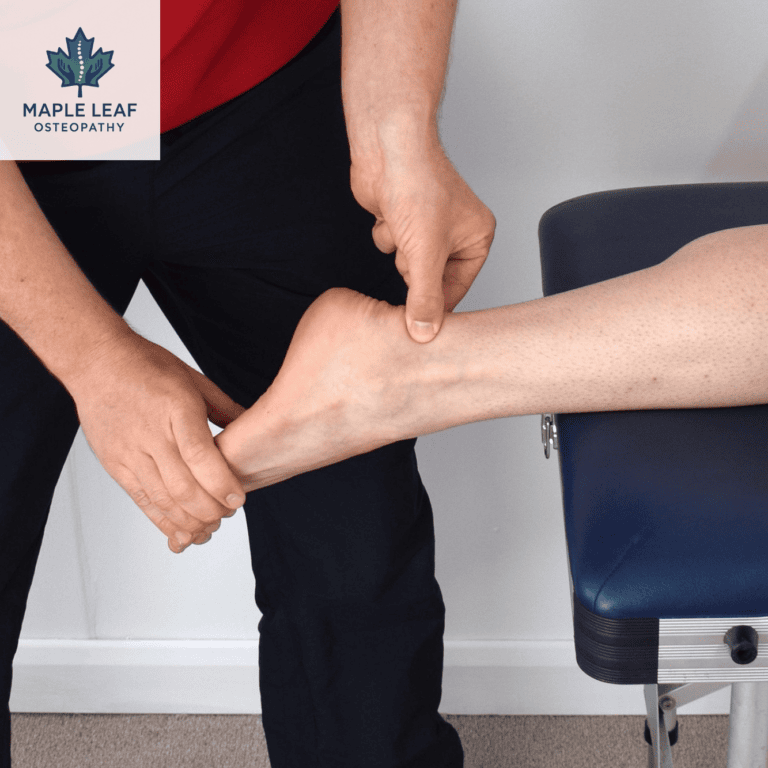
Hands on treatment is central to osteopathy for fibromyalgia.
Common techniques include:
- Soft tissue massage to reduce muscle tension
- Joint articulation to restore movement
- Stretching techniques to ease stiffness
- Lymphatic drainage to support circulation
Each technique aims to reduce pain while improving mobility and comfort. Treatments remain gentle and adaptable, especially during flare ups.
A tailored treatment approach ensures sessions respond to how you feel that day. Osteopathy does not push the body. It works with it.
Developing a Personalised Treatment Plan
No two fibromyalgia experiences are the same.
An osteopath begins by listening. Symptoms, triggers, lifestyle factors, and stress levels all guide the treatment plan.
A tailored treatment plan to help manage fibromyalgia may include:
- Regular osteopathic sessions
- Home exercises to maintain joint mobility
- Advice on posture and movement
- Strategies to reduce pain and discomfort
This personalised approach helps patients feel supported rather than overwhelmed. Consistency and trust between patient and osteopath play a key role in long term improvement.
Managing Chronic Pain and Improving Mobility
Chronic pain often shapes daily life for people living with fibromyalgia.
Pain can disrupt sleep, limit movement, and reduce confidence. Over time, fear of pain can lead to avoidance, which worsens stiffness and mobility.
Osteopathy helps manage chronic pain by restoring movement and reducing pain signals. Gentle work on muscles and joints supports better alignment and function.
Improving joint mobility allows muscles to relax. Reduced stiffness leads to smoother movement and less strain on the body. These changes can significantly improve quality of life.
Lifestyle Support and Holistic Care
Osteopathy uses a holistic approach that treats the whole person, not just symptoms.
Stress, sleep, posture, and activity levels all influence fibromyalgia symptoms. Osteopaths consider these factors as part of care.
Support may include:
- Gentle movement advice
- Relaxation techniques
- Sleep support strategies
- Postural guidance
Holistic care empowers patients to take an active role in managing fibromyalgia. Small, sustainable changes often create the biggest long term benefits.
Benefits of Osteopathy for Fibromyalgia
The benefits of osteopathy for fibromyalgia extend beyond pain relief.
Patients often experience:
- Reduced muscle tension
- Improved joint mobility
- Better energy levels
- Fewer flare ups
- Enhanced overall well being
Osteopathy can help manage fibromyalgia symptoms even when medication alone falls short. Many people find the combination of hands on care and personalised advice reassuring and effective.
Techniques That Help Calm the Nervous System
The nervous system plays a central role in fibromyalgia pain.
During flare ups, pain signals become amplified. The body remains in a heightened state of alert.
Hands on treatment techniques help calm this response. Massage, stretching, and articulation reduce tension and encourage relaxation.
Calming the nervous system allows the body to process pain differently. This often leads to reduced sensitivity, less fatigue, and improved comfort.
Conclusion: Why Osteopathy Can Help Fibromyalgia Patients
Fibromyalgia is a complex condition that causes widespread pain, fatigue, and stiffness. While there is no cure for fibromyalgia, osteopathy can help manage symptoms through a calm, supportive, and holistic approach.
Osteopathic treatment focuses on reducing pain, improving mobility, and restoring balance within the body. By calming the nervous system and addressing muscle tension, osteopathy offers meaningful relief for many patients.
If you are living with fibromyalgia, osteopathy may help you feel more in control, more comfortable, and more confident in your body again.