
Manual labourers are some of the hardest working people I know. I see it every day in clinic. The job demands strength, repetition, and resilience. It also places constant stress on the body. That daily load explains why manual workers so often struggle with aches and pains.
This article speaks directly to you if your job involves lifting, carrying, digging, building, or any other hands on role. I want to show you how osteopathy fits into real workplace health, and how it keeps you working without breaking you down.
Quick Answer: Can Osteopathy Help Manual Workers?
Yes. Osteopathy can help manual workers manage pain, move better, and stay at work longer. An osteopath looks at how your job affects your body and uses hands on care to support your muscles and joints. Treatment focuses on keeping you strong, mobile, and capable at work and beyond.
Why Manual Workers Put Their Bodies Under Constant Strain
Manual workers place a huge strain put on your body every single shift. A manual occupation often involves repetitive lifting, twisting, or working in awkward positions. That work may expose you to stresses that build up over time.
I see strain on their joints daily. I also see how these demands cause damage to our bodies when ignored. The musculoskeletal system absorbs every lift, carry, and push.
Jobs like this may expose you to stresses and strains that can cause pain. Those strains that can cause long term problems rarely start with one big injury. They build quietly.
Back Pain And Daily Wear And Tear
Back pain remains one of the most common reasons people book an appointment with me. It often links to lifting and workplace ergonomics done under pressure.
Poor technique can increase the amount of pain you feel. It can also cause you pain by placing load in the wrong place. That pain you feel by causing muscle tension often spreads to the neck and upper body.
Back pain does not stay local. It affects energy, sleep, and focus.
Many people ignore early warning signs. Those small daily aches and discomfort soon become pain and discomfort that slows you down.
Osteopathic Treatment For Physical Work
Osteopathic treatment focuses on the whole body. Osteopathic care is based on how structure and function work together.
An osteopath the impact of your job matters. I look at how you move, lift, and recover. That assessment forms a clear treatment plan based on the individual needs of the patient.
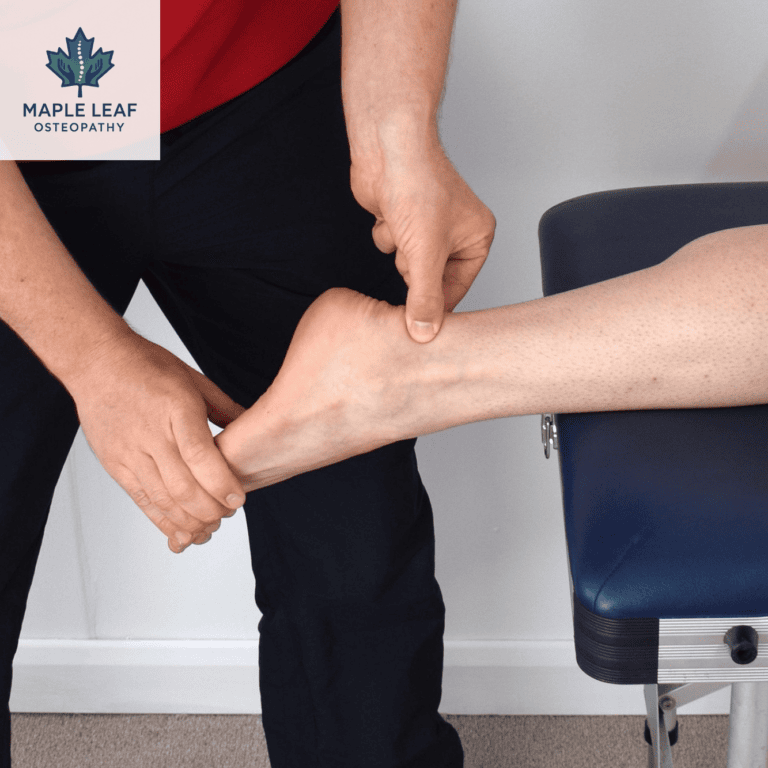
Treatment uses hands on techniques designed to relieve pain. Osteopaths use stretching, joint work, and soft tissue methods along with hands on care. The aim is to relieve pain and aid recovery, aiding you in your recovery and allowing you to return to work feeling capable.
Osteopathy helps restore balance to muscles and joints.
Posture, Technique, And Injury Prevention
Posture matters even in physical jobs. Habitual poor posture and poor posture under load contribute to daily aches.
Lifting objects close to your body lets your legs do the work. That reduces strain on the spine and upper body.
I always offer advice on posture and movement. I also offer advice on posture that fits your job, not textbook diagrams. Guidance on how to avoid injury makes a real difference.
Take regular breaks. Aim to take regular movement breaks at least once every two hours. That simple habit reduces muscle fatigue and workplace stress.
Health At Work And Long Term Resilience
Health at work depends on more than reacting to injury. Workplace health improves when you take the necessary precautions early.
Osteopathy offers support for health and well being by addressing discomfort in the workplace before it becomes serious. That approach reduces time off work and helps you avoid needing to take time off from work later.
Physical health is a key part of job longevity. Health is a key factor in staying employed in demanding roles.
Osteopathy can help prevent small issues turning into long term problems.
What About Office Workers?
I also treat many people who work at a desk. Osteopathy for office workers targets complaints among office workers such as carpal tunnel syndrome and tennis elbow.
Sitting all day may increase the amount of pain you feel through habitual poor posture. That posture can contribute to daily aches by causing muscle tension and spasms in the neck and upper areas.
The benefits of osteopathy for office staff include improved comfort and focus. Osteopathy for office workers often addresses workplace ergonomics and repetitive strain.
Whether you work in construction or whether you work in an office, the principles stay the same. The body adapts to what you ask of it.
A Personal Note From Practice
I never want patients to worry about your symptoms alone. A routine examination that checks your whole body and agree goals together builds trust.
An osteopath will always complete a full assessment. We discuss with your osteopath how your job may expose you to risks. Care varies depending on the patient and so varies depending on workload, history, and recovery.
Osteopathy can help improve your health by reducing aches and pains, managing stresses and strains, and supporting long term movement.
If work may be pushing your body too far, osteopathy can help you stay strong, capable, and confident at work and beyond.