Joint pain can creep into daily life without warning. One step feels tight. The next feels sore. Soon, normal movement feels difficult to move. I see this pattern every week in clinic, and it is one of the main reasons people book an appointment.
Osteopathy offers a practical, hands on way to address joint pain, restore movement, and support recovery without relying on medication.
Quick Answer: Can Osteopathy Help Joint Pain?
Yes. Osteopathy can help calm pain, improve movement, and support healing in irritated joints such as the hip joint and knee joint. An osteopath looks beyond symptoms to find the cause of your pain, then uses hands on treatment and guidance to support long term pain relief.
Osteopathy And Joint Pain In Everyday Life
Joint pain affects how you walk, sit, sleep, and exercise. I see hip and knee pain in people of all ages, from desk workers to runners and retirees.
Osteopathy focuses on how joints, muscles, ligaments, and tendons work together. Pain often comes from strain, reduced movement, or overload rather than one clear injury.
The most common areas I treat include the hips, knees, and lower back. Back pain and lower back pain often link to hip or knee pain because the body compensates when movement feels limited.
Joint pain may feel sharp, dull, or stiff. Pain felt deep in the joint often signals irritation in cartilage or surrounding structures.
Hip Pain And Osteopathy Help
Hip pain can limit walking, standing, and getting in or out of a car. Many people feel pain around the hip, the groin, or down the thigh.
Osteopathy help with hip discomfort by reducing muscle tension and supporting joint function. I often see femoral acetabular irritation and early hip osteoarthritis. These issues can cause pain and stiffness around the hip joint.
Causes of hip pain vary. Common examples include:
- Osteoarthritis
- Impingement
- Bursitis
- Tendon irritation
- Sporting injuries
Bursitis involves a fluid filled sac becoming irritated. Tendon and ligament strain can also cause pain around the hip. Groin pain and groin discomfort often link to hip joint stress.
Osteopathy can help manage these issues by improving blood flow, easing muscle tension, and supporting the healing process.
Knee Pain, Movement, And Stability
Knee pain often appears during walking, stairs, or exercise. Pain around the knee may come from overload or poor movement control.
Osteopathy help for knee pain focuses on the knee joint and the structures surrounding it. Cartilage wear, patellofemoral pain, and bursitis are common findings.
I often see knee pain linked to hip or ankle movement. The body works as a chain, and stress travels.
The knee joint relies on balanced muscle support. Weakness or tightness can aggravate pain and reduce range of motion.
Osteopathy Can Help With Hip And Knee Pain Together
Hip and knee pain often appear together. One joint compensates for another. Over time, this can cause pain and stiffness across the musculoskeletal system.
Osteopathy can help restore balance between joints and reduce strain. This approach helps alleviate pain and improve mobility.
Hip or knee pain may also link to the sciatic nerve, especially when pain spreads down the leg.
Osteopathy can help manage chronic pain by improving joint function and reducing irritation.
Arthritis, Osteoarthritis, And Joint Care
Arthritis is a common condition that affects many joints. Osteoarthritis develops when cartilage thins and movement becomes restricted.
Osteopathy can help manage arthritis by supporting movement and reducing pain. I often work with people who have osteoarthritis in the hip or knee.
Rheumatoid arthritis differs and involves inflammation across multiple joints. An osteopath may work alongside your GP or physiotherapist to support care.
Osteopathy does not cure arthritis. It can help reduce pain, improve mobility, and help prevent further stiffness.
What Happens During Osteopathic Treatment?
Your initial consultation starts with a thorough assessment. I take time to understand the cause of your symptoms and your health history.
A physical examination follows. This helps diagnose joint irritation, muscle tension, and movement limits.
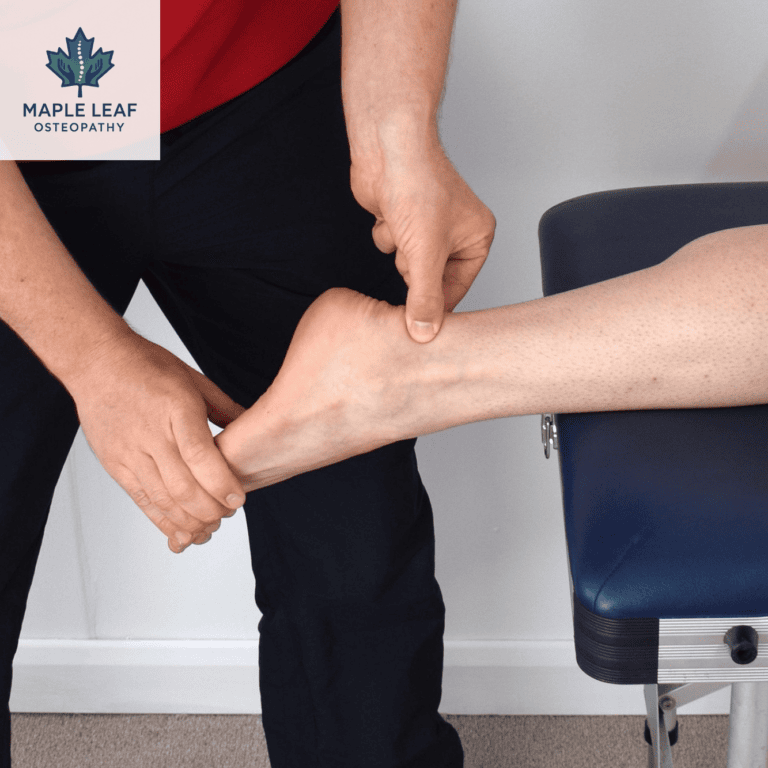
Osteopathic treatment uses hands on treatment such as soft tissue massage, joint manipulation, and manual therapy techniques. Osteopathic techniques aim to improve joint movement and reduce pain.
An osteopath may provide exercises to help, including strengthening exercises that support recovery.
Each treatment plan tailored to you supports your road to recovery. A personalised treatment plan focuses on pain relief and long term change.
A Holistic Approach To Pain Relief
Osteopathy takes a holistic approach. It looks at how your body moves as one system.
This approach focuses on the musculoskeletal system and how joints, muscles, and nerves interact. Osteopaths are trained to see patterns others may miss.
Osteopathy help often includes advice on posture, activity, and movement habits. Small changes can help relieve pain and support improving joint health.
Help with hip pain often involves the lower back and pelvis. Supporting the lower back can reduce hip joint strain.
When To See An Osteopath
You should see an osteopath if pain persists, movement feels restricted, or daily tasks feel hard.
Osteopathy can help with joint pain that does not settle with rest. It can also help diagnose the cause of your pain and guide next steps.
If pain worsens, or if you notice swelling, heat, or sudden loss of movement, speak with your GP first.
Final Thoughts From The Clinic
Joint pain affects confidence and freedom. I see how frustrating that feels.
Osteopathy can help reduce pain, support movement, and help you feel more in control of your body again. Whether pain comes from arthritis, strain, or overuse, the right support makes a difference.
Osteopathy help with hip and knee pain works best when treatment, movement, and self care align. That balance keeps joints moving and supports lasting relief.