
You sit down to work. Hours pass. Your body stiffens. The aches creep in.
I see this pattern every week in clinic. Office workers form one of the largest groups I treat, and the damage from sitting at a desk adds up fast. This article explains how osteopathy for office workers targets the real cause of desk related pain and shows you what to do about it.
Quick answer: Osteopathy can help reduce pain, improve posture, and restore movement for people stuck sitting all day by treating the musculoskeletal system and changing how you work.
Why Office Workers Struggle With Pain From Sitting All Day
Desks feel harmless. Your body disagrees.
Office workers often sit for long hours with little movement. Prolonged sitting weakens the muscles that support your spine. Joints stiffen. Blood flow slows. Poor posture becomes the default, not the exception.
I see back pain every day that was caused by prolonged sitting. Lower back pain tops the list. Neck pain and shoulder pain follow close behind.
Your body adapts to what you do most. Sitting for long periods teaches your body to hunch forward. That hunch increases strain on the spine and overloads tight muscles.
The root cause matters. Pain does not appear out of nowhere. It builds from repeated habits during office life.
How Osteopathy Can Help Office Workers Feel Better
Osteopathy can help office workers by addressing how your body moves as a whole.
As an osteopath, I assess posture, joint motion, and muscle balance. I look beyond the sore spot. Pain often shows up far from its source.
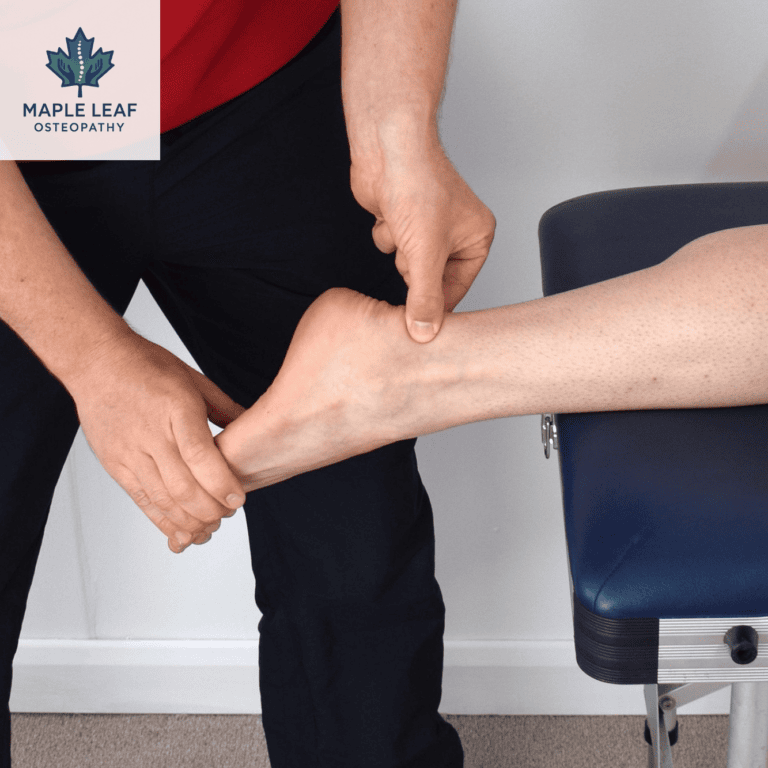
Osteopathy offers hands on care that targets stiffness, strain, and restricted movement. Osteopathic treatment improves how muscles and joints work together. This approach helps relieve pain and restore balance.
I combine hands on techniques with clear advice. Exercise guidance matters as much as treatment. Desk habits must change or pain returns.
Here’s how osteopathy works in practice:
- Hands on techniques to improve joint mobility
- Soft tissue work to release tight muscles
- Postural advice to reduce strain
- Exercises to support better posture
Osteopathy provides an effective way to manage pain relief without masking symptoms.
The Benefits Of Osteopathy For Desk Based Bodies
The benefits of osteopathy extend beyond short term comfort.
Osteopathy helps reduce stiffness and improve movement quality. Patients report fewer tension headaches and less headache pain linked to neck and shoulder tension.
I often treat chronic pain tied to sitting for extended periods. Once movement returns, pain free days become possible again.
Key benefits I see in clinic include:
- Reduced back pain and lower back pain
- Improved posture during office work
- Less neck pain and shoulder pain
- Fewer tension headaches and headaches and migraines
- Better overall well being
Osteopathy offers a holistic way to address conditions like desk related pain without relying on quick fixes.
Posture Problems And The Effects Of Prolonged Sitting
Posture tells your story before you speak.
Sitting at a desk for extended periods pulls the body forward. Hip flexors tighten. The upper back rounds. The head drifts ahead of the spine.
This pattern creates tight hip flexors and tight muscles through the chest and neck. The lower back loses support. Lower back pain follows.
Postural changes increase strain. Poor posture leads to muscle and joint overload. Sitting for too long also limits breathing efficiency and focus.
Osteopathy helps counteract the effects of prolonged sitting by restoring joint motion and muscle balance. Better posture reduces pain and stiffness and supports comfortable work.
Hands On Osteopathic Treatment That Targets The Cause
Osteopathic care stays practical.
Hands on treatment focuses on joints, muscles, and connective tissue. I use hands-on techniques to help relieve pain and improve movement where stiffness restricts function.
The musculoskeletal system responds fast once pressure lifts. Restoring motion helps prevent future flare-ups.
Hands on care also supports pain relief by:
- Reducing strain on overloaded joints
- Improving circulation to tired tissues
- Helping muscles relax after long periods
Osteopathy offers an effective solution when pain caused by desk habits limits your work routine.
Helping Office Workers With Simple Desk And Movement Tips
Helping office workers means changing daily habits.
Treatment alone falls short if your desk setup works against you. I always review office setup during appointments.
Small adjustments matter. Screen height. Chair position. Keyboard distance. These changes reduce strain on the spine and neck and shoulder area.
Tips for office workers I give daily include:
- Stand and move every 30 minutes
- Avoid sitting for long without breaks
- Stretch hip flexors and upper back
- Keep screens at eye level
These steps help prevent pain and stiffness and support office workers stay pain free during long hours.
Osteopathy For Office Workers Starts With One Choice
Osteopathy for office workers works best when you act early.
Pain and discomfort often start quietly. Ignoring stiffness invites chronic issues. Osteopathy may be the solution when desk habits catch up with you.
I see many office workers regain comfort once they address posture and movement. Office workers often feel better within a few sessions when they follow advice outside of work.
Take the first step today and take the first toward comfortable work and a body that can work without pain.
Osteopathy takes a holistic approach that eases pain but also builds resilience. Your body supports you all day. It deserves the same care back.