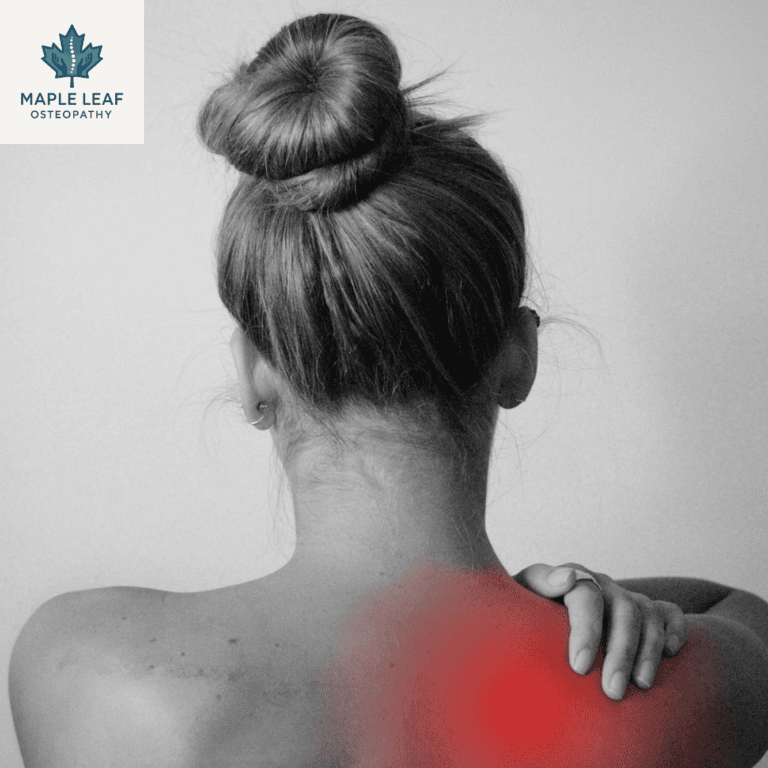
Shoulder pain can be incredibly frustrating. It affects everyday tasks, from lifting a kettle to reaching for a shelf, and can make even simple movements feel impossible. I’ve seen many people come into my osteopathic clinic struggling with shoulder discomfort, unsure why their joint hurts and what they can do to get better. Understanding the underlying cause of shoulder pain is essential, and seeing an experienced osteopath who knows orthopedic testing can set you on the right path to recovery.
Quick Answer: Osteopathy is a hands on, non invasive treatment that can help reduce pain, improve joint movement, and restore balance to the shoulder complex. Whether you have frozen shoulder, rotator cuff injuries, or general stiffness, an osteopath can provide targeted treatment and rehabilitation to relieve discomfort and prevent future shoulder issues.
Common Causes of Shoulder Pain
The shoulder is one of the most mobile joints in the body, which also makes it prone to injury. Shoulder pain is a common complaint I see in my practice, and it often arises from issues within the shoulder joint itself or surrounding areas. Some common causes of shoulder pain include:
- Rotator cuff injuries: These involve tears or inflammation of the tendons within the shoulder. Rotator cuff tears can occur suddenly or develop over time due to overuse.
- Frozen shoulder (adhesive capsulitis): This condition causes stiffness and pain in the shoulder, often restricting range of motion.
- Impingement: Tendons become compressed within the shoulder joint, leading to pain at the top of the shoulder.
- Poor posture: Sitting at a desk or slouching can strain the upper back, neck, and shoulder muscles, contributing to discomfort.
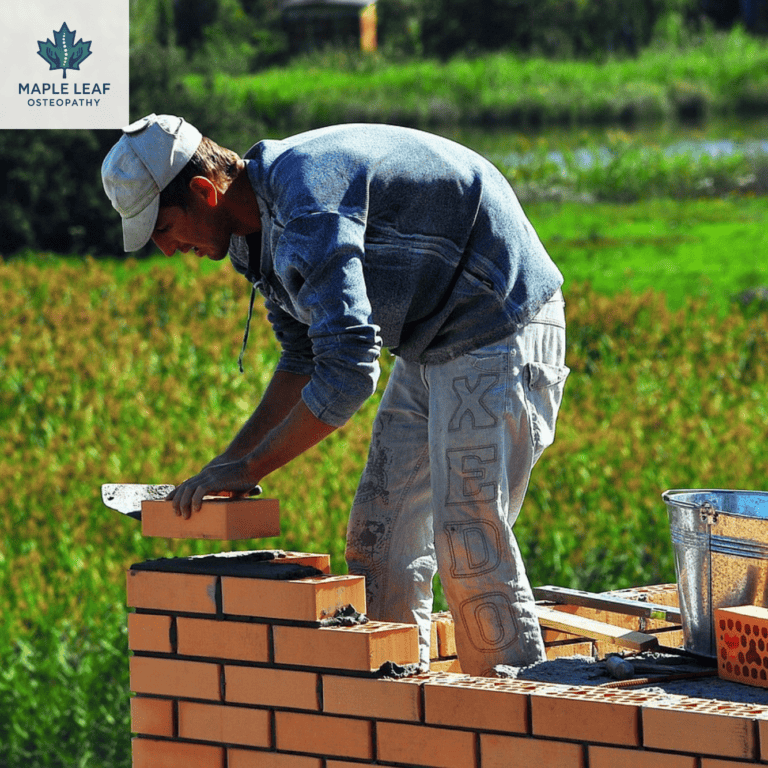
- Repetitive strain: Activities that involve frequent lifting or overhead movement can irritate muscles and tendons within the shoulder.
Other factors like inflammation, overuse, or trauma can also cause shoulder injuries. Identifying the source of your shoulder pain early is key to effective treatment.
How Osteopathy Can Help Shoulder Pain
Osteopathy can help reduce shoulder pain and restore movement using a hands on, holistic approach. When you attend an osteopathy session, your osteopath will assess your shoulder, neck, and upper back to pinpoint the source of your pain. I always focus on movement patterns and the range of motion of the shoulder joint to identify whether the issue lies in the muscles, tendons, or joint itself.
Osteopathy can help reduce pain and stiffness in the shoulder through several techniques:
- Soft tissue massage and tissue mobilisation to relieve tension in the rotator cuff muscles and surrounding areas.
- Joint mobilisation to improve shoulder movement and restore balance to the shoulder complex.
- Advice on posture and strengthening exercises to prevent future shoulder injuries and improve shoulder function.
For conditions like frozen shoulder, osteopathy can be particularly effective. By gradually improving movement within the shoulder joint, I’ve seen patients regain function and reduce discomfort without surgery. A hands on approach helps with pain relief and allows gentle stretching of the adhesive capsulitis affected joint.
Treatment for Shoulder Pain: What to Expect
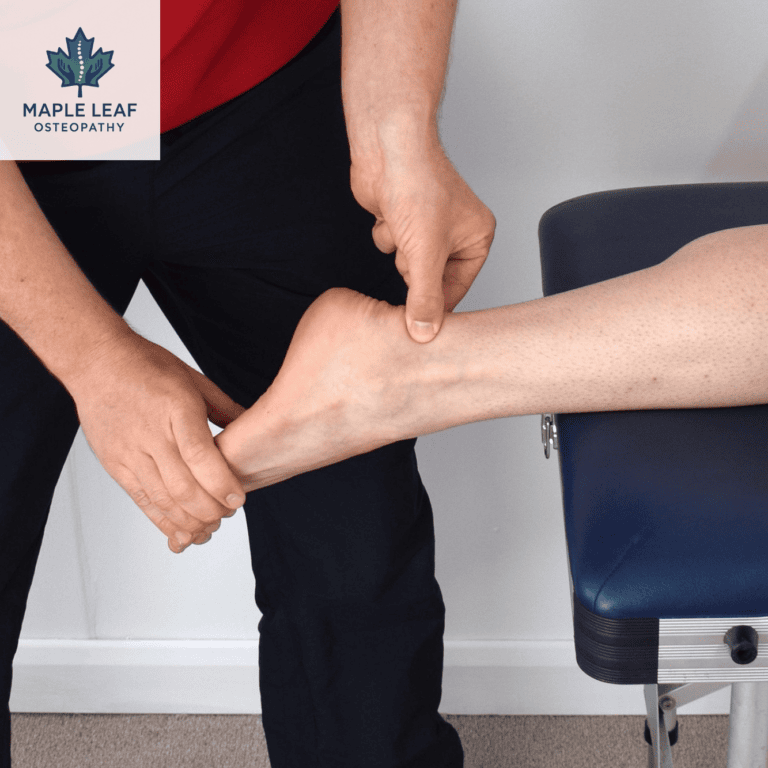
When you visit an osteopath for shoulder pain treatment, you’ll receive a personalised plan tailored to your needs. During your first session, your osteopath will conduct a thorough assessment of your shoulder and shoulder and surrounding areas. This may include testing the rotator cuff muscles, checking range of motion, and examining your posture.
Hands on treatment may involve:
- Soft tissue massage to reduce inflammation and relieve pain.
- Joint mobilisation techniques to improve shoulder movement and restore function.
- Stretching and strengthening exercises to support rehabilitation and prevent future shoulder issues.
In some cases, an osteopath may also address the neck or upper back and shoulder blade, as tension in these areas can contribute to shoulder and neck pain. Osteopathy sessions often combine these treatments to improve overall shoulder function and reduce stiffness effectively.
Rehabilitation and Recovery
Recovery from shoulder injuries often involves more than just pain relief. Rehabilitation is crucial to restore full function, prevent recurrence, and strengthen muscles and tendons within the shoulder joint. Rotator cuff injuries, frozen shoulder, and general shoulder discomfort all benefit from a structured rehabilitation programme.
Key elements of rehabilitation include:
- Range of motion exercises: These improve flexibility and help restore normal movement in the shoulder joint.
- Strengthening exercises: Target the rotator cuff muscles and shoulder muscles to support the joint.
- Posture correction: Ensures that your shoulder, upper back, and neck are aligned to reduce strain on the joint.
- Activity modification: Adjusting repetitive movements or heavy lifting to prevent overuse injuries.
For many patients, combining osteopathic treatment with rehabilitation exercises speeds recovery and improves long term outcomes. In my experience, patients who follow their rehabilitation plan notice a significant reduction in pain and stiffness and regain confidence in using their shoulder or upper arm.
Preventing Future Shoulder Pain
Once your shoulder pain is under control, it’s important to prevent future shoulder injuries. Osteopaths can provide guidance on strengthening exercises, posture improvement, and ergonomic adjustments to daily activities. For those who spend long hours sitting at a desk or performing repetitive tasks, shoulder and surrounding muscles can become weak or tight, leading to recurring issues.
Simple strategies include:
- Regularly performing gentle shoulder stretches and mobility exercises.
- Incorporating strengthening exercises for the rotator cuff muscles and upper back.
- Maintaining good posture while sitting or standing.
- Using ergonomic tools to reduce strain on the shoulder complex.
A holistic approach ensures that your shoulder remains healthy, functional, and pain free. Combining treatment, rehabilitation, and prevention strategies provides the best chance for long term recovery.
When to See an Osteopath
If you experience persistent shoulder pain, limited movement, or symptoms like pins and needles, it’s worth seeking professional advice. I always encourage people with shoulder injuries to act early. Early intervention helps identify the source of your pain and allows an osteopath to create an effective treatment plan before problems worsen.
You should see an osteopath if you notice:
- Pain that interferes with daily activities.
- Stiffness in the shoulder joint that limits movement.
- Shoulder discomfort that persists beyond a few days or weeks.
- Signs of inflammation or swelling around the joint.
Osteopathic treatment can help relieve pain, restore movement, and provide practical strategies for long term shoulder health. Many patients find that a combination of hands on treatment, rehabilitation exercises, and advice on posture and movement leads to excellent results.
Final Thoughts
Shoulder pain can impact every part of your life. From cooking to working at a desk, even small tasks become difficult when the shoulder joint is inflamed or restricted. Seeing an experienced osteopath can make all the difference. Through assessment, hands on treatment, and a structured rehabilitation plan, you can reduce pain, restore function, and prevent future shoulder problems.
Whether you have rotator cuff injuries, frozen shoulder, or general discomfort, osteopathy offers a non invasive, effective way to improve shoulder movement, relieve pain, and restore balance to the whole body. Taking the first step towards professional treatment can help you regain confidence in your shoulder and enjoy daily activities without pain.